
When designing a fire protection system, one of the most critical technical steps is performing fire sprinkler hydraulic calculations. These calculations are the backbone of a properly functioning sprinkler system—ensuring that when a fire occurs, the system delivers the right amount of water at the right pressure to control or extinguish it. For designers, engineers, and compliance professionals, understanding how hydraulic calculations influence both system performance and regulatory compliance is essential.
What Are Fire Sprinkler Hydraulic Calculations?
At its core, fire sprinkler hydraulic calculations determine whether a building’s water supply, piping layout, and sprinkler heads can deliver adequate flow and pressure to the areas most likely to experience a fire. Hydraulic calculations take into account variables such as water supply capacity, pipe friction loss, elevation changes, sprinkler head discharge characteristics, and hazard classifications.
These variables are analyzed to ensure that each sprinkler head in a design area receives sufficient water to meet code-mandated performance criteria.
In the United States, the most commonly referenced design standard is NFPA 13: Standard for the Installation of Sprinkler Systems, which outlines how to conduct hydraulic calculations, select the design area, and meet performance criteria.
How Hydraulic Calculations Shape System Design
1. Pipe Sizing and Layout
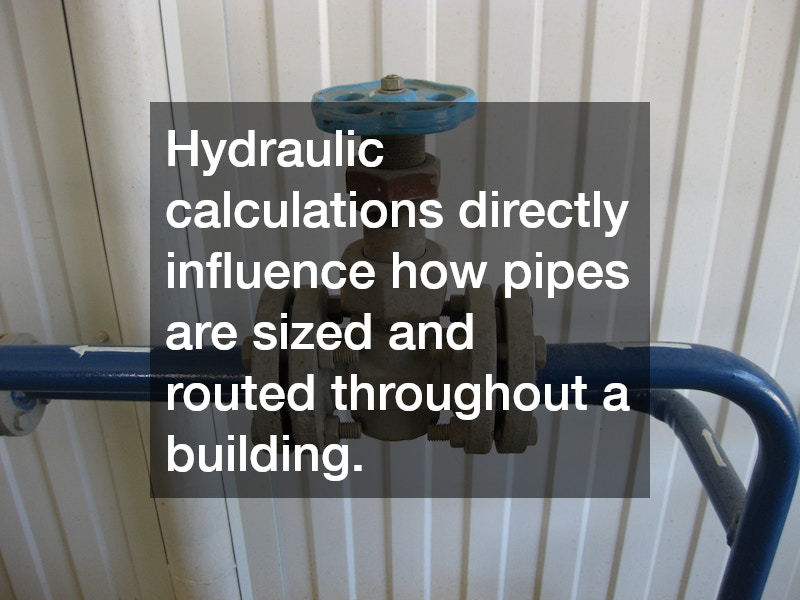
Hydraulic calculations directly influence how pipes are sized and routed throughout a building. Designers must account for friction losses due to pipe length, fittings, and valves. As water travels through a piping network, pressure decreases—and if not properly calculated, the system may not deliver adequate pressure at the remotest sprinkler head. By analyzing these losses, designers select pipe diameters that balance performance with cost-effectiveness.
2. Water Supply Assessment
Another key output of hydraulic calculations is determining whether the available water supply can meet system demand. This involves evaluating municipal water pressure and flow data, or, in some cases, designing for alternative water sources such as tanks or fire pumps. If the existing supply falls short, designers must specify additional infrastructure, such as fire pumps, to achieve compliance.
3. Sprinkler Head Selection and Placement
Hydraulic calculations help determine which sprinkler heads to use and where to place them. Each head has a specific K-factor, which relates flow and pressure to discharge rate. The calculations ensure that, across the selected design area, each head will provide sufficient density (water per unit area) to suppress a fire effectively.
Ensuring Compliance With Codes and Standards
Compliance isn’t optional—it’s a legal requirement. Fire sprinkler systems must meet the criteria set by building codes and standards such as NFPA 13. These codes specify minimum flow and pressure requirements, remote design areas, and documentation that must accompany system plans.
Documentation and Review
Part of compliance is documenting hydraulic calculations in a clear, traceable manner. Authorities Having Jurisdiction (AHJs) review these calculations as part of plan approvals. Properly prepared calculations help avoid delays and ensure that systems are installed in a manner that will perform as intended during a fire event.
Hydraulic Design Information Signs
Once a system is installed, codes often require that key hydraulic design data be permanently posted on or near the sprinkler riser. These signs—sometimes called hydraulic calculation plates—provide essential information for future maintenance, inspections, and modifications. Without this signage, a system can be considered non-compliant, even if the design itself meets all technical criteria.
The Role of Software in Hydraulic Calculations
In the past, designers might have performed calculations by hand or with spreadsheets. Today, software tools—including AutoSprink—automate complex hydraulic analysis, especially for large or grid-style systems where multiple flow paths must be balanced simultaneously. Software not only speeds up the design process but also helps ensure compliance with NFPA standards and maintains consistency.
Conclusion
Fire sprinkler hydraulic calculations are far more than a technical formality. They are the foundation of effective sprinkler system design and a critical component of compliance with fire safety codes. By accurately modeling water flow and pressure throughout a system, designers can ensure that every sprinkler head performs as expected, that the water supply is adequate, and that the system meets regulatory requirements. Whether you’re designing a new system or updating an existing one, understanding and applying hydraulic calculations correctly is essential for safety, performance, and compliance.